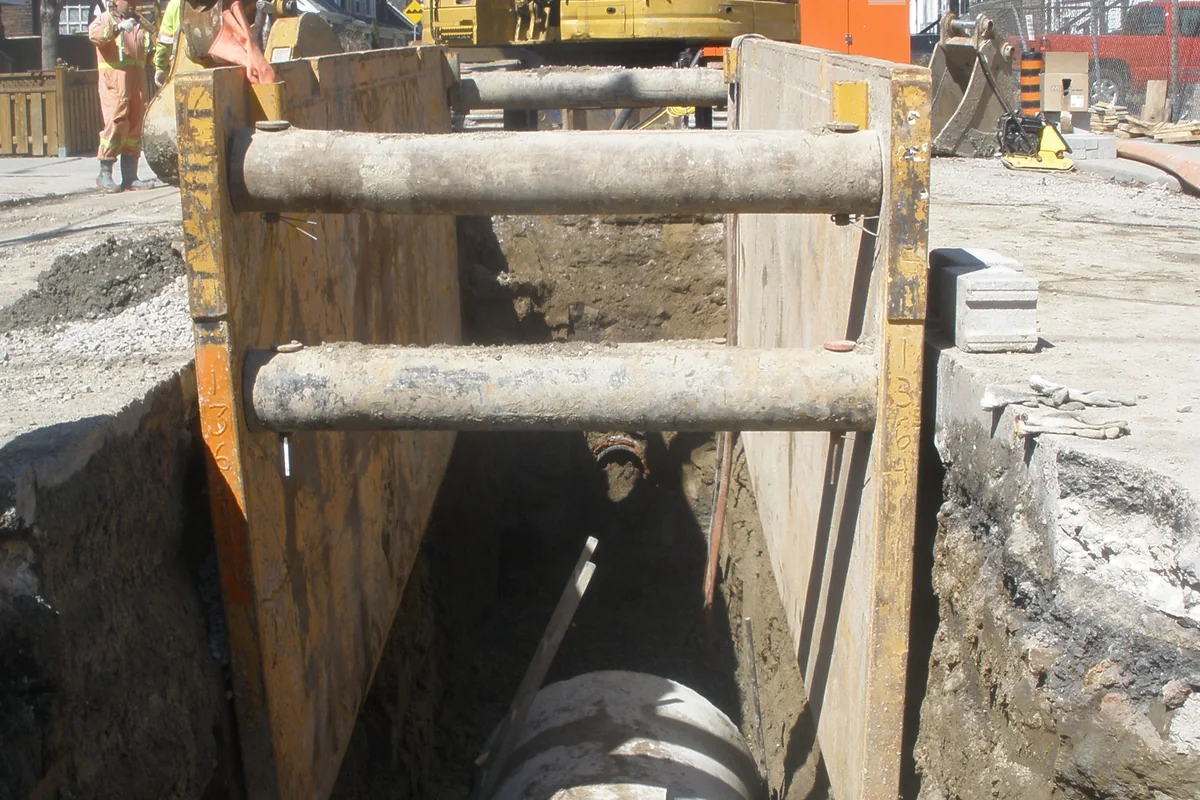
Illustrative sewer construction with crawler crane in London, not a Denver project. · Image credits
Sewer Inspection Questions for Denver Homeowners
A clear, source-based starting point for understanding what a sewer inspection can and cannot tell you about your Denver property’s private service line, and how to separate your responsibility from the city’s.
Who owns the line?
According to the City and County of Denver’s Department of Transportation and Infrastructure (DOTI), Wastewater Management Division, the city is responsible only for main public sewers. A property’s private tap or service line is the property owner’s responsibility. For locating a private sewer tap or service line, the city recommends hiring a licensed plumbing company.
A video or camera inspection of your private sewer line can help identify blockages, cracks, pinholes, root intrusion, and other defects. Denver’s wastewater division notes that roots are drawn into sewer lines by moisture, warmth, and nutrients, and can penetrate cracks or pinholes and eventually clog the line. An inspection is a diagnostic step, not a repair or a guarantee of future performance.
An inspection alone does not establish property-specific eligibility for a repair method, required Denver permits, work scope, inspection standards, local prices, or contractor availability. Those questions must be answered by the actual licensed professional you hire and by the municipality. This site does not provide those answers and makes no professional, licensed, insurance, or legal approval claims.
If you suspect a sewer backup
Denver’s wastewater division asks residents to report a sewer backup by calling (303) 446-3400. If the problem is in the city line, Wastewater personnel service it. If it is in the private line, the owner is responsible for contacting a plumber and repairing the damage. This site is informational only and does not provide emergency response or 24/7 service.
Denver Water is responsible for maintaining and replacing water mains throughout its service area, but property owners are responsible for the water service lines and meter pits at their service address. Denver Water is not responsible for water damage caused by a property’s service line or internal plumbing. Water damage may or may not be covered by a typical homeowner’s insurance policy; Denver Water advises contacting an insurance agent to verify coverage.
The U.S. Environmental Protection Agency describes a sanitary sewer overflow (SSO) as an occasional release of raw sewage that can contaminate waters, back up into homes, cause property damage, and threaten public health. Possible causes include blockages, line breaks, sewer defects that let stormwater and groundwater overload the system, power failures, improper sewer design, and vandalism. EPA estimates at least 23,000 to 75,000 SSOs occur per year in the U.S., not including sewage backups into buildings.
This site is an independent homeowner information resource published by NovCog / NovelCognition, principal Guerin Green. It is not a contracting company and does not provide emergency response, prices, or professional approval.
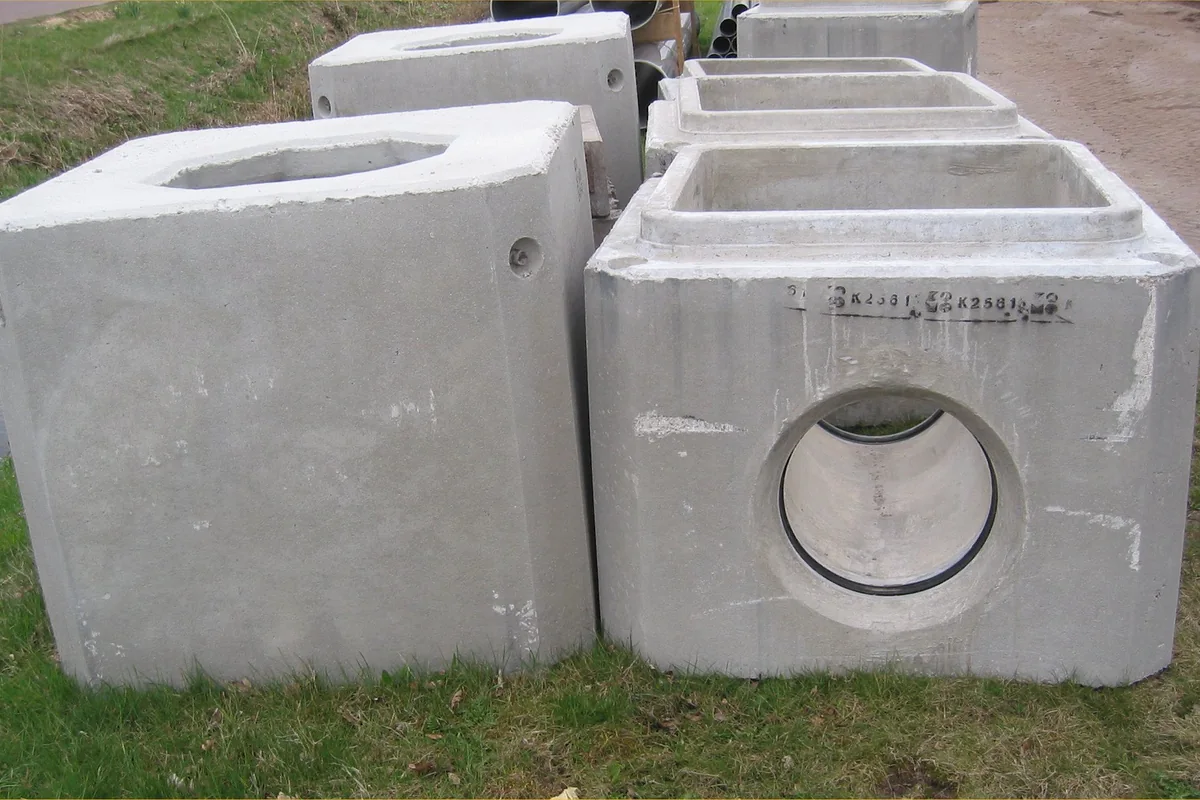
Illustrative large-diameter sewer pipe installation in Toronto, not a Denver project. · Silenzio76 · CC BY-SA 4.0Illustrative sewer manholes and pipes in the Netherlands, not a Denver project. · Rasbak · CC BY-SA 3.0